
A light that flickers, hums, starts slowly, or won’t reach full brightness can turn a familiar room into a frustrating space. The lamp itself isn’t always the cause. In many fluorescent and high-intensity discharge (HID) fixtures, a component called a ballast controls the electricity that lets the lamp start and stay lit.
If you’re asking what a light ballast is, the short answer is that it’s an electrical control device. It supplies the conditions needed to start a compatible lamp, then limits current while the lamp operates. Without that control, the lamp could draw too much current, perform poorly, or fail. Powertec Electric provides ballast changes in Winnipeg when a residential, commercial, or industrial fixture needs professional assessment.
This guide explains how a ballast works, compares common types, and outlines signs that can point to failure. It’ll also help you understand when direct replacement makes sense and when an LED conversion could be the more practical long-term choice.
What A Light Ballast Does In A Lighting System
A ballast sits between the incoming electrical supply and the lamp. Its exact role depends on the fixture and lamp technology, but it generally handles two jobs: Helping the lamp start and controlling current after start-up.
Fluorescent lamps create light through an electrical discharge inside a tube. HID lamps, including some metal-halide and high-pressure sodium lamps, use a related discharge process at a different pressure and intensity. These lamps don’t behave like simple incandescent bulbs. Once the electrical arc forms, current can rise quickly, so the circuit needs a device that keeps that current within the lamp’s operating range.
That’s the ballast’s core purpose. It doesn’t simply “power” the lamp. It conditions and regulates the electrical supply for a specific combination of fixture, lamp, voltage, and operating method. A mismatched ballast can lead to unreliable starting, poor light output, shortened component life, or unsafe operating conditions.
Ballasts are common in older fluorescent ceiling fixtures, commercial troffers, warehouse lighting, exterior HID fixtures, and some emergency-lighting equipment. Modern LED fixtures usually use electronic drivers instead. Retrofit LED lamps vary: Some are designed to work with listed ballasts, while others require the ballast to be removed or bypassed as part of a qualified conversion.
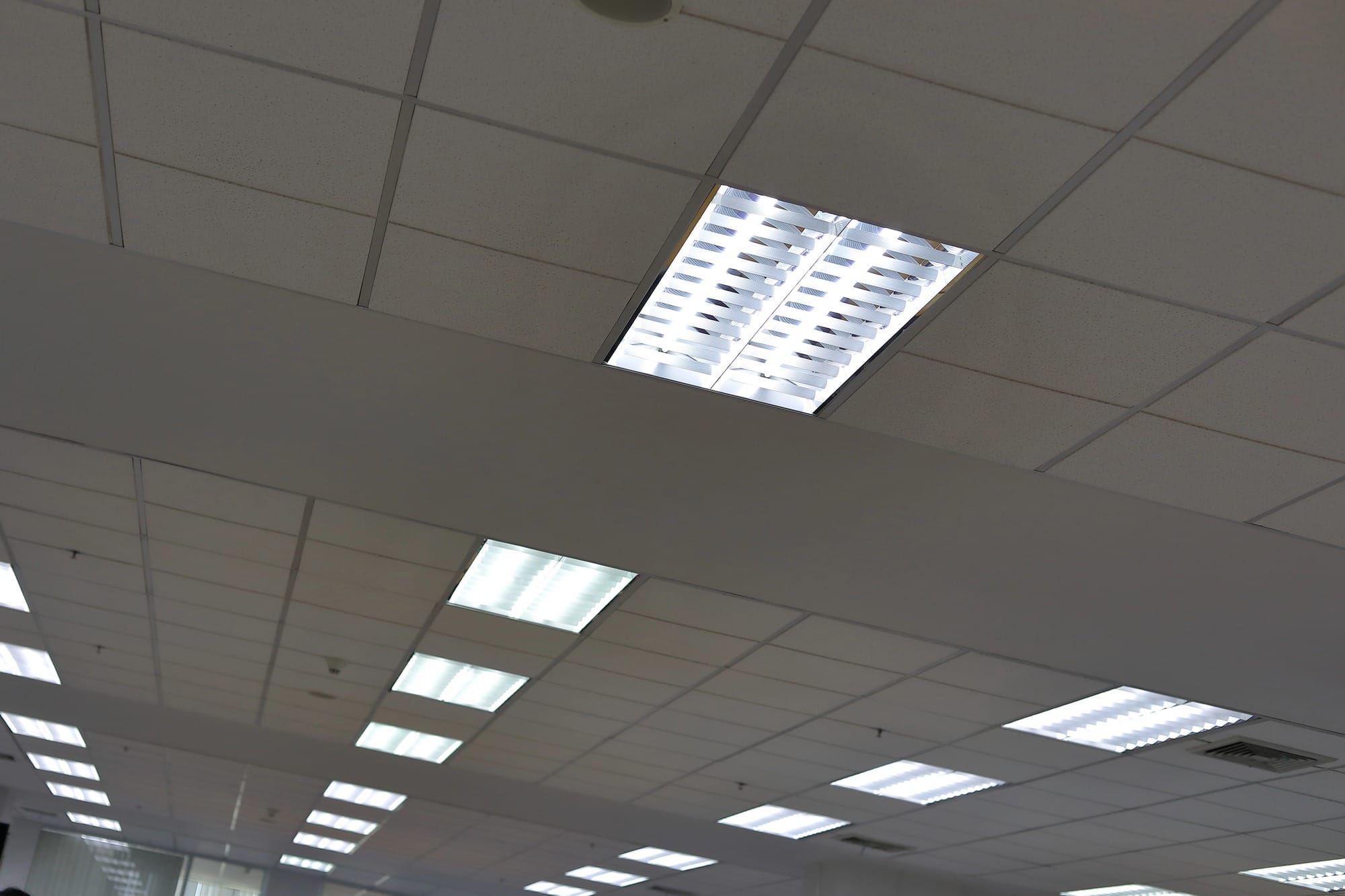
When you switch on a compatible fluorescent or HID fixture, the lamp needs enough voltage to establish an arc through its internal gas. The ballast supports that starting stage. Once the arc is established, the lamp’s electrical resistance changes, and the ballast limits current so operation can stabilize.
You can think of the process in two stages:
Start-up isn’t identical across all fixtures. Fluorescent systems may use preheat, rapid-start, programmed-start, or instant-start designs. HID systems may use probe-start or pulse-start equipment. These terms describe how the lamp is started, and they’re part of the compatibility decision when a ballast needs replacement.
A correctly matched ballast can also affect light output, visible flicker, sound, energy use, and lamp life. It can’t compensate for every problem elsewhere in the circuit. Loose connections, supply-voltage issues, damaged lamp holders, overheating, or overloaded circuit breaker causes may produce symptoms that resemble ballast trouble. That’s why assessment should look at the full fixture and circuit instead of treating every flicker as proof of ballast failure.
The broadest comparison is electronic vs. magnetic ballast technology. Both regulate lamp current, but they do it differently and can produce noticeably different operating characteristics. Ballasts can also be classified by the lamps and applications they support, including fluorescent, HID, dimming, and emergency systems.
Fluorescent ballasts are matched to details such as lamp family, lamp quantity, input voltage, starting method, and wiring configuration. HID ballasts are selected for a specific lamp type and wattage. Emergency ballasts are specialized devices that support designated lighting during a loss of normal power, subject to the fixture design and applicable requirements.
No category is universally interchangeable. The label on the existing equipment and the fixture’s documentation provide essential information. A generic ballast compatibility guide can offer background, but it can’t replace verification of the exact lamp, fixture, supply, environmental rating, controls, and approvals.
Magnetic ballasts use an electromagnetic core and coil to control current. They’re the older, heavier design found in many legacy fluorescent and HID fixtures. Because they operate at the supply frequency, some fluorescent installations can produce visible flicker or an audible hum, especially as components age.
Common characteristics include:
Magnetic equipment remains in many buildings, but finding a like-for-like replacement can be difficult for obsolete lamps or fixture designs. The practical choice may be an approved electronic replacement, a compatible LED retrofit, or full fixture replacement. The correct option depends on the existing wiring, light-level needs, operating hours, maintenance plan, and project budget.
Electronic ballasts use solid-state circuitry to regulate power, often at a much higher operating frequency than a magnetic ballast. In compatible fluorescent systems, that design can reduce visible flicker and audible noise while lowering ballast losses. Electronic units are generally smaller and lighter, although performance still varies by model and application.
Important comparison points include:
The electronic vs. magnetic ballast decision isn’t simply “new is always better.” A replacement has to fit the complete lighting system. For facilities comparing maintenance, controls, light levels, and energy use, our commercial lighting tips provide broader planning context. Powertec Electric can assess the existing fixture and explain whether a compatible ballast replacement or an LED upgrade better fits the site.

The common signs of bad ballast performance overlap with lamp, socket, wiring, and supply problems. One symptom can justify an inspection, but it doesn’t confirm the diagnosis by itself.
Watch for changes such as:
If there’s smoke, arcing, a burning smell, or visible heat damage, switch the fixture off only if you can do so without approaching the hazard. Keep clear and arrange qualified help. Don’t touch damaged electrical equipment or open an energized fixture.
Age, heat, frequent switching, moisture, poor ventilation, voltage irregularities, and incompatible lamps can all affect ballast life. A lamp that repeatedly fails can also overwork or damage other components. Replacing the bulb may resolve an isolated lamp failure, but recurring symptoms call for a broader assessment.
When to replace ballast equipment depends on condition and compatibility. Replacement can be sensible when the fixture is otherwise serviceable, a listed match is available, and the repair supports the space’s lighting needs. An LED conversion may be more practical when ballasts and lamps are obsolete, maintenance is frequent, operating hours are high, or the owner wants different controls and light output. Any estimate of ballast replacement cost should account for access, fixture condition, equipment availability, labour, disposal requirements, and whether additional faults are present.
Ballasts are normally replaced as complete components rather than repaired internally. Their enclosures aren’t intended as a casual DIY service point, and internal capacitors may retain energy. Some older fluorescent ballasts may contain polychlorinated biphenyls (PCBs), so labels, manufacturing dates, condition, and applicable disposal requirements should be checked before removal. Environment and Climate Change Canada explains how to identify and dispose of PCB-containing light ballasts.
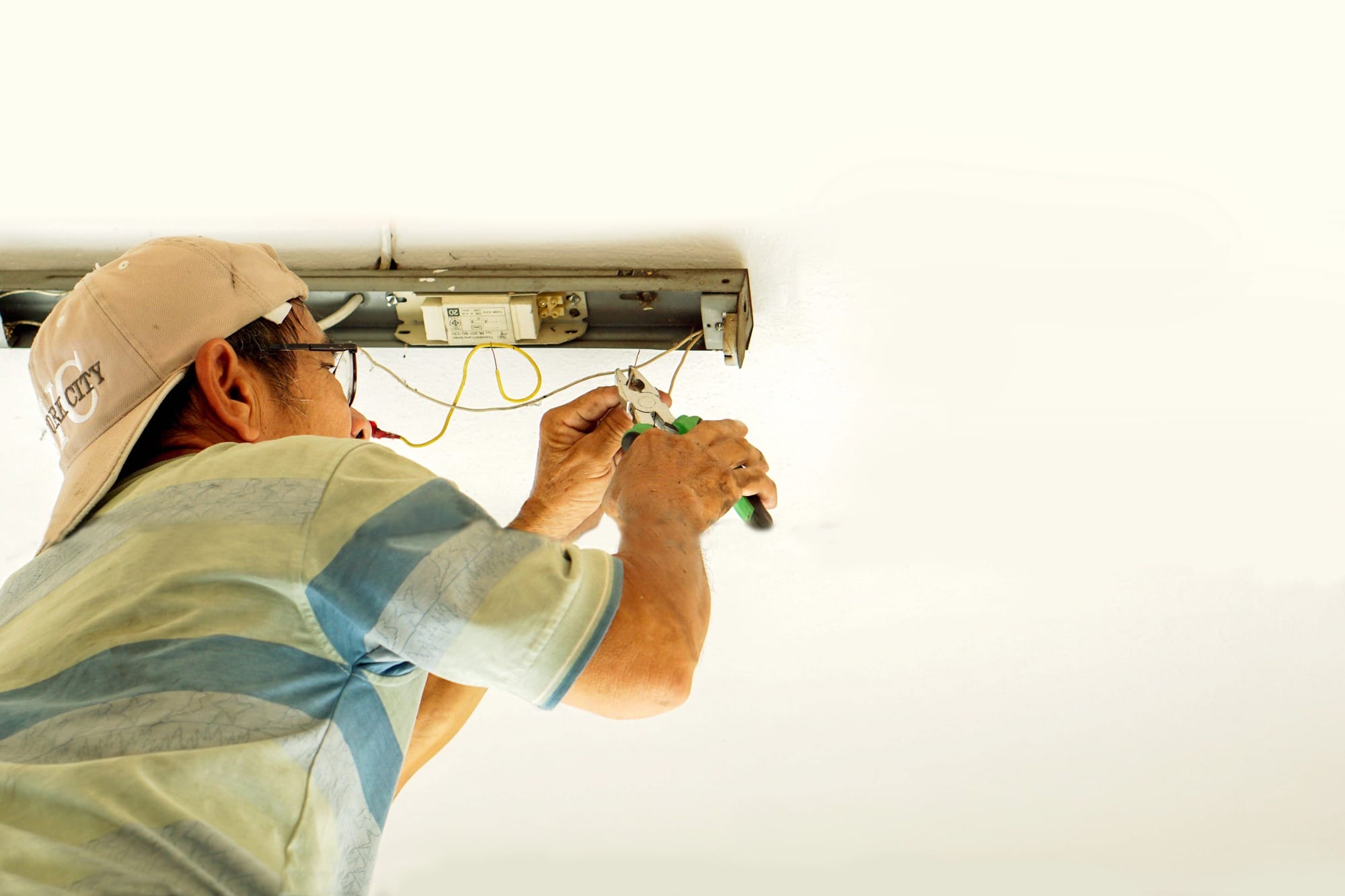
If you’re wondering how to test ballast equipment, safe diagnosis involves more than checking whether a lamp turns on. A qualified electrician may compare lamp and ballast compatibility, inspect lampholders and wiring, confirm the supply, look for heat damage, and use appropriate instruments with the circuit placed in a safe condition. That process shouldn’t be reduced to instructions for probing an energized fixture.
Replacement selection may need to account for:
LED conversions add another compatibility decision. A ballast-compatible LED lamp relies on an approved ballast, while a ballast-bypass lamp changes how power reaches the lamp holders. A purpose-built LED fixture uses a driver designed for that luminaire. Each approach has different installation, maintenance, and approval considerations, so the product instructions and site conditions matter.
If the project extends beyond one failed component, it can help to compare the cost of repair with broader upgrading light fixtures savings over the expected service period. The calculation should include equipment, installation, operating hours, maintenance access, replacement availability, controls, and desired light levels. It shouldn’t rely on a universal savings promise.
Related lighting changes can also affect the project scope. Our guides to changing a light fixture and pot light installation basics explain why wiring, access, and fixture requirements need to be considered before work begins.
A light ballast helps a compatible fluorescent or HID lamp start, then limits current while the lamp operates. It’s matched to the lamp, fixture, supply voltage, starting method, and other system requirements. Without proper current control, a discharge lamp can’t operate as intended.
A single failed or darkened lamp may point to the lamp, while repeated failures, persistent buzzing, delayed starting, or problems affecting multiple compatible lamps can point toward the ballast or another fixture component. Symptoms overlap, so the reliable answer comes from checking the lamp specification, holders, wiring, ballast, and electrical supply together.
Ballast replacement involves electrical wiring, component compatibility, and possible exposure to stored energy or hazardous materials in older equipment. It can also affect the fixture’s approval and safe operation. If you don’t have the appropriate qualifications and tools, don’t open or rewire the fixture. Arrange an assessment by a qualified electrician.
There isn’t one standard service life for a light ballast. Operating hours, heat, switching cycles, ventilation, moisture, lamp compatibility, and power quality all affect how long it lasts. Manufacturer information and the fixture’s actual condition provide better guidance than age alone.
Most purpose-built LED fixtures use drivers, not fluorescent or HID ballasts. Some retrofit LED lamps are designed to operate with specific existing ballasts, while ballast-bypass products require a different wiring arrangement. Compatibility must be confirmed from the product documentation and the existing fixture before installation.
A failing light doesn’t tell you whether the lamp, ballast, fixture, or circuit is responsible. Powertec Electric can assess ballast and lighting problems for residential, commercial, and industrial properties in Winnipeg, then define a scope based on the equipment and site conditions.
If you’re weighing ballast replacement against a fixture upgrade or LED retrofit, contact Powertec Electric to discuss the symptoms and arrange an assessment. We’ll help you understand the practical options before work begins.