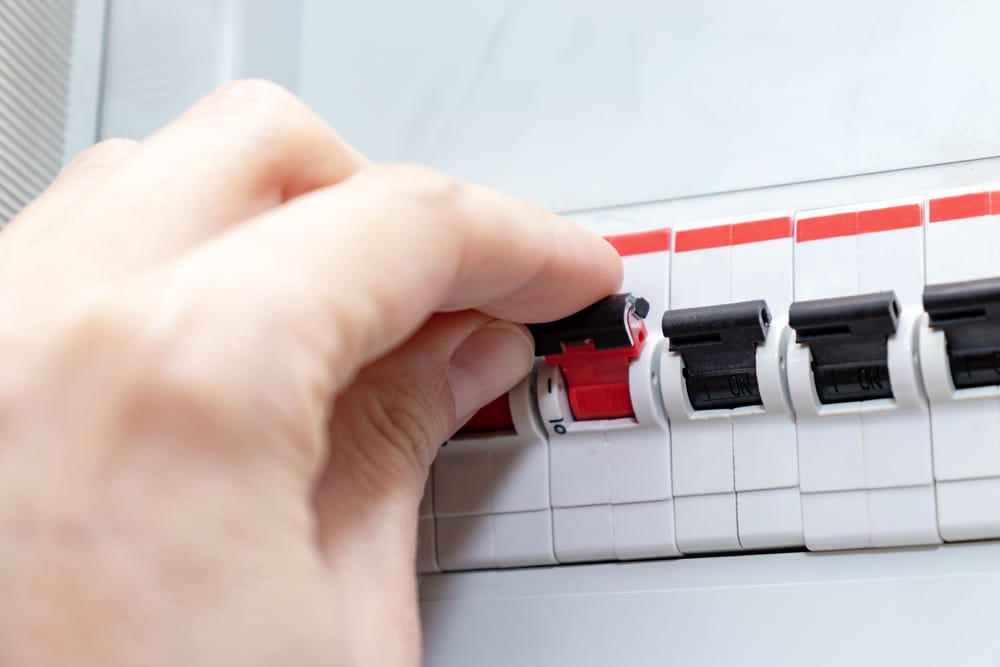
Planning A Basement Reno In Linden Woods? Don’t Overlook Your Electrical Capacity

Finishing a basement adds real demands to your home’s electrical system. Before the drywall goes up, basement renovation electrical planning helps ensure the space is safe, comfortable, and ready for how you’ll use it.  At Powertec, we have a profound understanding of electrical code requirements for Manitoba homes. We make sure to look at all your Winnipeg electrical needs and assess what’s required for your Linden Woods home. 

Why Electrical Capacity Matters Before You Finish A Basement In Linden Woods

A finished basement can become a rec room, bathroom, office, bedroom, gym, and/or wet bar - and each adds electrical demand. Many Linden Woods homes were built before features like a home theatre, multiple home office setups, heated floor systems, and electric vehicle charging were common, and might have issues handling an overloaded circuit breaker.

That’s why we start with electrical capacity, not just layout. Capacity means more than open breaker spaces in the main service panel or breaker panel; your full electrical service must safely handle the added load. A panel can have empty slots and still fail a load calculation, especially if you’re adding electric heat, laundry, a freezer, a dehumidifier, or a sump pump. Planning early helps avoid permit revisions, redesigns, and opening finished walls later. It’s a practical step for busy families that might split time between home and destinations like the FortWhyte Alive and the Outlet Collection Winnipeg.

Common Basement Reno Electrical Upgrades Winnipeg Homeowners Should Plan For

Most basement electrical upgrades involve more than extending one circuit. A proper basement finish usually needs several new branch circuit runs, plus the right protection and placement for each room.

Common electrical panel upgrades include lighting for pot lights and stairs, receptacle circuits for living areas and offices, bathroom wiring with ground fault circuit interrupter (GFCI) protection, arc fault circuit interrupter (AFCI) protection where required, interconnected smoke alarm and carbon monoxide alarm devices, and dedicated circuit planning for appliances like a bar fridge, microwave, freezer, or laundry equipment. A typical basement with a rec room, bedroom, bathroom, utility room, and wet bar often needs six to eight new circuits, sometimes more. We often see homeowners think ahead about flexible basement use when they already spend weekends at home, where entertaining space is important.

How Older Panels, Added Loads, And Permit Requirements Can Affect Your Project

Empty breaker spaces don’t automatically mean you have enough power. A subpanel can add circuit space, but it doesn't increase total service capacity, so if the service is already near its limit, it won’t solve the real issue. That’s especially relevant in households balancing older electrical infrastructure with modern expectations.

For some homes, a 100-amp service is enough for a simple basement finish with lights, receptacles, and one bathroom. But if you add electric baseboard heat, a heated floor, a kitchenette, laundry, a suite, or future electric vehicle charging, a 200-amp service or service upgrade may be the smarter long-term choice. 

Basement ElementTypical Electrical ConsiderationsDedicated Circuit?Capacity Concern?
Rec RoomLights, outlets, TV, projector, speakersUsually noSometimes
BedroomLights, outlets, smoke alarmUsually noLow
BathroomFan, vanity light, GFCI receptacle, heated floorOften yesModerate
Wet BarFridge, microwave, counter receptaclesOften yesModerate
Home GymTreadmill, TV, fan, heaterOften yesModerate
Utility AreaFreezer, sump pump, dehumidifierOften yesHigh

In Manitoba, legal basement electrical work usually requires an electrical permit and electrical inspection, so that needs to be built into the schedule. You can review Manitoba permit guidance through the City of Winnipeg. Catching capacity issues early helps avoid revised drawings, permit changes, drywall removal, and delays.

FAQ: Basement Renovation Electrical Questions In Linden Woods

If your basement could eventually become a rental or secondary suite, that changes the recommendation right away. Before quoting a basement electrical assessment, it helps to have a panel photo, service size if known, a basement room list, planned appliances and heating type, major existing loads, and any future plans for an electric vehicle charger, hot tub, sauna, or suite.

It’s also worth reviewing current electrical safety expectations from the Electrical Safety Authority.

Do I need an electrical panel upgrade before finishing my basement in Linden Woods?

Not always. If the load calculation supports the new space, your existing panel may be fine; if not, a panel upgrade or service upgrade can prevent future rework.

How can I tell if my current electrical service can handle a basement suite, rec room, or home gym?

You can’t tell by breaker count alone. Your service size, existing major loads, and new basement equipment all need to be reviewed. That’s true whether the basement is meant for quiet work-from-home use or for hosting relatives visiting over the holidays.

Are permits required for basement electrical work in Winnipeg?

Yes. Basement electrical work in Winnipeg should be permitted and inspected as part of the renovation plan.

Can I add electric baseboard heat or in-floor heat during a basement renovation?

Yes, but electric heat adds significant demand. It should be included in the load calculation early, especially with a 100-amp service. It’s important to avoid electrical problems during home renovation.

How many basement outlets, lights, & dedicated circuits should I plan for?

A common basement with a rec room, bedroom, bathroom, utility area, and wet bar often needs six to eight new circuits, sometimes more. The exact number depends on the room layout and equipment.

When should I call an electrician during the basement renovation process?

Before framing is ideal. Early planning gives your licensed electrician time to review capacity, coordinate rough-ins, and build permits and inspections into the schedule.

Book A Basement Electrical Assessment In Winnipeg

Whether your home is near Linden Woods Park, backing onto Kleysen Park, or a short walk from the Linden Woods Community Centre, a basement renovation goes more smoothly when the electrical side is planned early. Families near Muys Park or Linden Meadows School rely on finished basements year-round, and the wiring needs to keep up. As trusted electricians in Winnipeg, Powertec Electric can help with service upgrades, home and office renos, and everything from panel assessments to knob and tube removal. If you're planning a basement reno in Linden Woods, start with a quote that fits the space you're creating.
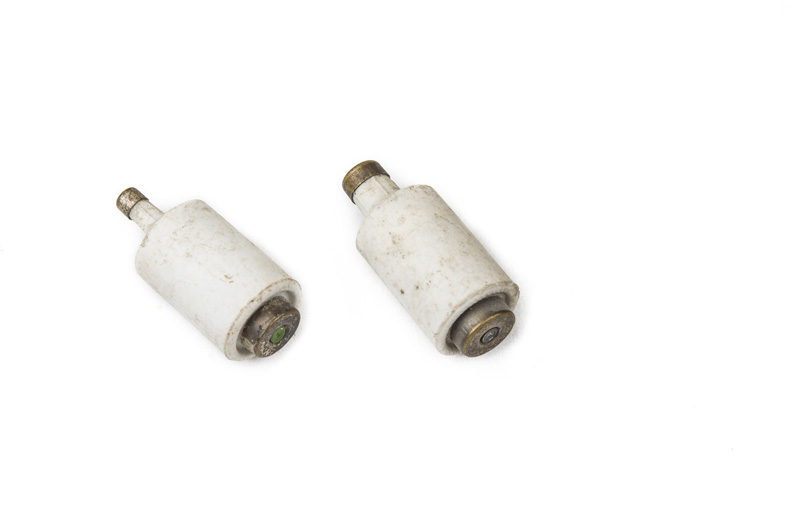
Is Your Wolseley Heritage Home Insurable? The Truth About Knob And Tube Near Vimy Ridge Park

A Wolseley home near Vimy Ridge Park has real charm. But if old wiring hides behind the plaster, getting home insurance can become a problem.

Can A Wolseley Heritage Home With Knob And Tube Wiring Still Be Insured?

Yes, sometimes - it depends on what's active, how much remains, and what your insurer requires. A Wolseley home with active knob and tube isn't automatically uninsurable. Some insurers decline immediately, others offer conditional coverage with a rewiring deadline, and some want a licensed electrician to confirm what's active and what needs attention.

Older Wolseley homes often have piecemeal updates: Original lighting circuits, a later kitchen upgrade, a newer breaker panel or old fuse box, and one forgotten run still feeding a light. That patchwork is what makes insurability tricky.

Knob and tube uses single insulated wires on porcelain knobs and tubes. Insurers care because active runs can involve ungrounded wiring, hidden splices, overloaded circuits, and wiring buried under attic insulation - creating a serious fire hazard when heat builds up.

Legal status and insurability aren't the same. In Manitoba, old wiring can exist without being illegal, but an underwriter can still decide it doesn't meet their standards. If it's fully abandoned, disconnected, and documented, some insurers are comfortable. Documentation is key. Your Winnipeg electricians can help you get clear answers that complement Statistics Canada health data.

What Your Insurer, Broker, And Electrician Need To Confirm

Your broker and underwriter need to know: Is the old wiring live? How much of the house does it serve? Are there related issues like a fuse box, weak grounding, aluminum branch wiring, or unsafe DIY splices? 

The best workflow is broker first, electrician second, underwriter third. Your broker tells you what the insurer wants, then we complete an inspection to answer those exact questions.

In Wolseley homes with plaster-and-lath walls, we don't need to open every wall. We start in the basement ceiling, attic near joists, service entry areas, and original fixture boxes. After inspection, the insurer typically wants panel photos, service amperage, confirmation of active versus inactive wiring, deficiency notes, attic insulation contact status, grounding and bonding condition, and a recommended scope with timeline.

If you're buying the house, timing matters - your mortgage lender expects proof of insurance before closing. If no insurer will issue a binder, the deal can stall. For more on insurer expectations, see our guide to insurance companies that cover knob and tube wiring.

Rewiring A Winnipeg Character Home: Costs, Timelines, And Heritage Features

In Winnipeg, there's no one-size-fits-all number for rewiring a character home - access drives price more than square footage. A house with open basement access and a reachable attic is very different from one with finished ceilings, tight cavities, and layered renovations.

We can usually inspect within the same week, then provide findings and a scope for your broker. A full-house rewire in an older plaster home takes longer, especially when working around heritage details. Partial rewiring doesn't always solve the insurance problem if active legacy wiring remains elsewhere.

Insurers also care about related upgrades: Replacing a fuse box with a breaker panel, improving grounding, confirming service size, and adding AFCI and GFCI protection under the Canadian Electrical Code and Manitoba requirements. Learn about the cost to replace an electrical panel here.

The good news - rewiring doesn't mean gutting every wall. At Powertec Electric, we fish new runs through basements, attics, closets, and existing chases, using selective access cuts instead of opening everything up.

For more on risk and upgrades, learn about the dangers of knob and tube wiring, read about electrical safety in heritage homes, our knob and tube removal services, understanding Electrical Code requirements, and common electrical problems during home renovations.

FAQ: Knob And Tube Insurance Questions For Wolseley Homeowners

Can I get temporary insurance while rewiring is scheduled?

Sometimes. Some insurers offer short-term or conditional coverage if rewiring is booked and documented, while others won't insure active knob and tube at all.

If only part of the house has active knob and tube, is that enough for insurance?

If even one active circuit remains, many insurers still see unresolved risk. Partial upgrades don't automatically fix the insurability issue.

Is knob and tube wiring illegal in Winnipeg?

It's outdated rather than automatically illegal. The bigger issue is whether it's still active and whether it meets your insurer's standards.

Book A Wolseley Knob And Tube Inspection With Powertec Electric

If you're near Vimy Ridge Park or anywhere in Winnipeg, we'd be glad to help before renewal dates, purchase conditions, or closing deadlines press in. With Powertec Electric, you'll get an electrical inspection, clear confirmation of active versus abandoned wiring, and an insurer-ready plan that respects your home's character.

Contact us today for professional knob and tube removal service.

Electrical Renovation Tips For Westwood And Charleswood Homeowners

Renovating a home in established Winnipeg neighbourhoods like Westwood and Charleswood comes with a unique set of charm - and a specific set of electrical challenges. The value of modern amenities and upgrades in these neighbourhoods cannot be overstated, as they enhance both comfort, safety, and accessibility for homeowners.

Electrical renovations in Westwood and Charleswood homes must adhere to the current Winnipeg Electrical By-Law 72/2022, which incorporates the 2021 Canadian Electrical Code. It is also important to hire licensed electricians for any electrical work during renovations to ensure safety and compliance.

Whether you are planning a modern kitchen overhaul or finishing a basement, ensuring your electrical system is up to code is the most critical step in protecting your investment and your family. As specialized Winnipeg electricians, we understand the specific architectural history of these areas, from mid-century builds to custom-built homes. This guide will help you navigate the essential electrical considerations for your next project:

Key Renovation Tips For Your Charleswood Home

When planning electrical renovations in Charleswood, it is vital to account for the age of the local infrastructure and the specific details of your property. Many homes in this location were built during eras with lower power demands than today’s modern appliances and EV chargers require. In fact, many older homes in Westwood and Charleswood still operate on 60-amp service, which does not meet the needs of modern households. Upgrading to a 100-amp or 200-amp service is highly recommended for safety, capacity, and to meet current standards - an important consideration for anyone buying or maintaining a property.

Regular maintenance of your electrical system is essential to preserve safety and functionality, especially as your property ages or as you plan for future buying or selling opportunities.

The Aluminum Wiring Factor: What You Need To Know

A common reality for homeowners in Westwood and Charleswood is the presence of aluminum wiring, which was standard in many homes built between the mid-1960s and late 1970s, when the price of copper spiked. While not inherently illegal, aluminum wiring can become a fire hazard if connections oxidize or loosen over time. Signs of problems with aluminum wiring can occur, such as discolouration of the wall receptacle, flickering lights, or the smell of hot plastic insulation. 

During a renovation in mature Winnipeg neighbourhoods, it is recommended to replace aluminum branch wiring with copper to improve safety and compliance. This is also the ideal time to have a professional assess your home for signs of overheating or “pigtailing” needs to ensure compatibility with modern copper-rated devices and to integrate safe electrical systems. Additionally, some insurance companies may ask for a specific electrical contractor report if a home has knob and tube wiring, so proper documentation and inspection are important.

Why Choose Powertec For Your Charleswood Home

At Powertec, we don’t just provide generic electrical services; we deliver local expertise tailored to Winnipeg’s West End.

Powertec is committed to providing safe and accessible electrical solutions and is dedicated to ongoing improvement. We are proud of our track record in Westwood and Charleswood, and our diligent work on renovation projects ensures quality and safety for homeowners.

Don't Let Outdated Wiring Stall Your Renovation

Nothing kills the momentum of a renovation like discovering a “bird’s nest” of old wiring once the drywall is removed. Knob and tube wiring was used in homes in Canada for almost 50 years, starting in the early 1900s. If you are planning a custom build or a major addition in Charleswood, proactive planning is your best defence against cost overruns. Knob and tube wiring that was installed properly can provide many more years of service, but problems can occur when homeowners install additional outlets or new circuits tied into the old wiring. Using 25 or 30-amp fuses in a circuit designed for 15 amps can cause the wire to overheat, leading to safety issues. 

Knob and tube wiring is not inherently a problem if it is restricted to rooms without major appliances. However, older homes in Winnipeg may require a full knob & tube removal or rewire of aluminum wiring for safety and insurance purposes. By integrating a full electrical assessment into your early design phase, you can ensure that your lighting, smart home features, and power needs are seamlessly integrated into the finished product. In many cases, a fully gutted and renovated house will also include updates to plumbing, fixtures, flooring, bathrooms, and necessary repairs to ensure the home is safe and modern.

FAQ For Westwood And Charleswood Homeowners

Will aluminum wiring affect my home insurance in Winnipeg?

Yes, many insurance providers in Manitoba require an electrical inspection or specific remediation (such as pigtailing or replacement) before they will issue or renew a policy on a home with aluminum wiring.

Do I need a permit for an electrical panel upgrade in Winnipeg?

Absolutely. Any upgrade to your electrical service or panel requires a permit from the City of Winnipeg to ensure it meets the current Canadian Electrical Code.

Can I just replace my outlets if I have aluminum wiring?

No. Standard outlets are often designed for copper. Connecting aluminum wire to a copper-only device can lead to overheating and fire; you must use devices specifically rated for aluminum (CO/ALR) or have a professional perform proper copper-to-aluminum transitions.

Ready to start your Westwood or Charleswood renovation? Contact our team at Powertec today to schedule an inspection and ensure your home's electrical system is ready for the future.

Handling An Overloaded Circuit Breaker

An overloaded circuit breaker trips when too much electrical current flows through a single circuit, and it's your home’s way of preventing overheating, damage, and fire risks. Understanding why it happens and how to respond helps keep your electrical system safe and reliable.

What Is An Overloaded Circuit Breaker?

An overloaded circuit breaker is triggered when an electrical circuit draws more electricity than it is designed to handle. Circuit breakers protect your home’s electrical system by interrupting the flow of electricity once the breaker’s capacity is exceeded. In simple terms, this is what a circuit breaker does: It shuts power off to prevent overheated wires, electrical fire possibilities, and damage to circuit wiring.

Each breaker in your breaker box is rated for a maximum load. When the total electrical power demanded by all the devices on the same circuit goes beyond that limit, the circuit breaker trips.

Common Causes Of Circuit Overloads

Circuit overloads are common in Canadian homes, particularly in older properties with fewer dedicated circuits. Some of the most frequent causes include:

An overloaded circuit occurs when all the devices on the entire circuit collectively draw more electricity than the breaker’s capacity allows.

Signs Of An Overloaded Circuit

Your home often gives warning signs before serious electrical problems develop. Watch for:

These signs can indicate overheating wires, loose connections, or electrical circuit overload conditions that need attention.

Dangers Of Ignoring Overloaded Circuits

Ignoring an overloaded circuit is risky. Continuous overloads increase the chance of electrical fires, house fires, and damage to your electrical wiring. Over time, overheating wires can degrade insulation, increasing fire hazards and safety hazards throughout the entire house.

Short circuits and ground faults can also develop when circuit wiring is stressed. These issues may violate the Canadian Electrical Code (CEC) and create serious fire risks if left unresolved.

Preventing Circuit Overloads

Preventing circuit overloads starts with understanding how electricity is being used throughout your home. When too many appliances draw power from the same circuit, the risk of tripped breakers and overheated wires increases.

Simple habits can help reduce strain on your electrical system:

If overloads continue, a professional inspection can help identify capacity limits within your electrical panel. A qualified electrician can review your system and recommend updates to ensure general-purpose circuits are operating safely and efficiently.

Steps To Take When A Circuit Breaker Trips

Step 1: Turn off or unplug all the devices on the affected circuit immediately.
Step 2: Locate the breaker box and find the tripped breaker.
Step 3: Reset the breaker by switching it fully off, then back on.
Step 4: Plug devices back in one at a time to identify which load caused the issue.
Step 5: Use a voltage tester if needed to confirm power flow safely.

Pro Tip: If the circuit breaker trips again right away, stop and seek professional help. Repeated tripping means the electrical circuit is overloaded or there is another electrical issue present.

When To Call A Professional

If circuit breakers trip frequently, outlets feel warm, or flickering lights persist, it is time to call a professional electrician. Electrical repairs involving circuit wiring, breaker capacity, or loose connections should only be handled by trained electrical contractors.

A professional electrician can determine how much power your circuits can safely handle, install dedicated circuits, and correct underlying electrical problems. For reliable service and peace of mind, experienced electricians in Winnipeg can help ensure your home’s electrical system operates safely and meets current standards.

Loose Electrical Outlets And Their Dangers

If you’ve wondered, “Are loose outlets dangerous?”, the short answer is yes. A loose electrical outlet is never harmless. In fact, it is a genuine electrical hazard that can lead to arc faults, overheated wires, and even a fire. This is why it should be repaired as soon as you notice the first sign of trouble.

Signs That An Outlet Is Loose

A loose outlet often gives itself away with visible or physical warning signs. Watch for:

Any of these issues indicates that the outlet is loose, the outlet box may not be secured tightly, or the outlet’s wires have started to shift. 

What Causes An Electrical Outlet To Become Loose? 

Frequent Plugging & Unplugging Of Cords

Repeated movement inside the receptacle can weaken the contact points and eventually loosen the outlet box or the screws that hold the receptacle in place.

Improper Installation

A poorly aligned electrical box or loose screws can make the outlet unstable from day one.

Aging Components

Old outlet hardware, brittle wires, and weakened clamps contribute to loose electrical outlets in older homes.

Loose Screws

Screws inside the receptacle or face plate can back out over time, leaving the outlet unsecured.

Temperature Changes Or Humidity

Canadian homes experience seasonal shifts that cause materials to expand and contract, gradually loosening electrical sockets and increasing potential hazards.

When an outlet becomes loose, the two loose blades inside the receptacle stop gripping the plug properly. This creates heat, sparks, and the kind of high-energy discharge that leads to arc-fault conditions.

Dangers Of A Loose Outlet

A loose electrical outlet affects more than the wall it sits in; it threatens the entire electrical system in your residential or commercial property. Key risks include:

Fire Hazard

A loose outlet can cause electricity to arc. When electricity jumps between connection points, the heat can ignite surrounding material inside the wall.

Electrical Shock Hazard

Any shifting inside the outlet exposes you to electric shock, particularly when plugging in devices.

Device Damage

Loose contact points cause inconsistent power. Sensitive electronic devices can fail or suffer internal damage as a result.

Overheating Wires

A loose outlet increases resistance, which causes excess heat. Overheating wires behind the wall become a hidden danger that may not be noticed until it’s too late.

What Should Be Done About A Loose Electrical Outlet? 

Fixing a loose outlet requires more than tightening a screw. The safest solution is to call a professional electrician who can inspect the outlet box, wiring, and receptacle. A licensed electrician will:

DIY fixes or installing shims without proper knowledge can create additional electrical problems or increase the risk of fire.

Preventing Loose Electrical Outlets In The Future 

A few simple habits help reduce wear and tear:

Staying ahead of issues keeps your electrical sockets, outlet boxes, and wiring in better condition long-term.

Final Thoughts

Loose outlets are dangerous, but they are easy to handle when addressed promptly. If you notice sparks, a wobbly outlet, or plugs that fall out, treat it as a potential fire hazard and get help right away. Powertec Electric’s licensed electricians in Winnipeg can assess, repair, or replace any loose electrical outlet to ensure safety in your home or business.

Old House Wiring, Inspection, and Repair

Old House Wiring Inspection RepairCharacter homes come with many advantages: they’re affordable, unique, and historic. But older houses have other problems, like outdated wiring. 100 years ago, power demands for the average household were very different; they didn’t have computers, TVs, and power bars like we do now. To live a technology-driven lifestyle in a historic home, adjustments need to be made. 

It’s recommended that you schedule an electrical wiring inspection whenever you buy new appliances, renovate your home, or if the property is older than 40 years. When you are looking at buying an older home, be sure to ask about what electrical system is being used. Historic homes tend to have outdated wiring systems; here are two of the most common ones, and the issues with them:

Knob and Tube Wiring:

Used as early as the 1900s, this was the first type of electrical wiring installed in homes. These 100 year-old systems are considered obsolete by contractors. If installed correctly, knob and tube wiring can remain in the house, albeit with some limitations (no three-pronged electrical outlets). It does come with some risks, like the lack of a grounding conductor to help prevent electrical fires. The wiring insulation is a fire hazard as well. To add more amps to old homes, contractors make modifications to knob and tube wiring that can be unsafe. Your knob and tube wiring system can be repaired rather than replaced, but it should be inspected by a qualified electrician. It may be difficult to get house insurance if you have a knob and tube system.

Aluminum Wiring:

This material was popularly used in homes between the ‘60s and ‘70s because it was less expensive than copper. But there’s a reason for the discounted price: aluminum breaks down more easily than copper does. This wiring poses a few serious safety hazards that homeowners should be aware of. Aluminum is a soft material, which means it can be damaged easily; this can create a weakness in the wiring. It expands when it heats up, meaning that screws will loosen due to the changing shape. Aluminum wiring is also prone to rusting or oxidization. When rust forms, it prevents electricity from flowing, which can result in overheating. If your home has aluminum wiring, you should contact an electrician to discuss replacing it.

Many homeowners are concerned about replacing wiring because they do not want to damage historic elements of their home. But failing to repair these systems poses a safety risk for all members of the household. Keeping your electricity up to code will prevent a fire or another hazard from occurring - one that can be even more damaging to your home than updating the electrical. In some cases, the electrical wiring doesn’t need a total replacement; an experienced electrician can modify it to suit the power demands of your household. An inspection can answer these questions for you and tell you whether your system needs a repair or an update.

Are you concerned about the wiring in your home? For inspection and repair, contact the electrical contractors in Winnipeg at Powertec Electric. We can identify the type of wiring in your house and find ways to increase its safety and efficiency. Call us today to speak with an experienced contractor about your electrical concerns.

What To Do When You Don’t Have Enough Outlets?

What To Do When You Dont Have Enough OutletsWhat’s more annoying than buying a shiny new device, only to realize that your home lacks an outlet to power it up? In our technology-driven world, it can be difficult to find enough sources to power all of your gadgets - especially if you live in an older home. Overloaded outlets pose safety concerns, so if you are seeking to increase the electricity in your home, stick to safe solutions like the ones listed below: 

Buy a power strip (with a surge protector). A strip of electrical sockets will give you more mileage out of your limited outlets. Place them in an exposed area - if they are covered up, it can cause overheating. A surge protector will prevent accidents by shutting down when the circuit is overloaded. Never plug devices that draw heat, like hair dryers or crock pots into a power strip; this can cause safety risks. To save energy, shut off the power strip once you’re done, using the switch.

Purchase an extension cord. These flexible cords add a few extra outlets to your home - an easy and compact solution for your outlet shortage. The length of the cord lets you run power to far-away appliances. If you decide to purchase an extension cord, make sure not to overload it - if it gets overheated, it can cause a serious fire.

Use an outlet tap. These plug directly into existing outlets to add more receptacles. You can buy them in three or six-outlet forms. Their compact size makes them perfect for bedrooms that need more power sources for phones and laptop chargers. Similar to the above suggestions, it’s a safe idea to buy an outlet tap with surge protection to prevent any accidents.

Cut down on your devices. As a last resort, you can reduce the number of devices that you use. It’s an affordable solution that will save you money on your power bill. Unplug gadgets that are not in use and switch them for your most-needed ones. Or, you can rearrange the set-up that you have; try moving your electric hair styling tools from the bathroom to the bedroom.

Be aware of blown fuses or circuit breaker trips. If you notice that your breaker is constantly tripping, it’s a sign that you are drawing too much power from your home. Even with surge protection, too many adaptors and extensions can cause problems for your home’s electricity. In this case, call an electrician to remedy your electrical problems. As the saying goes: it’s better to be safe than sorry - especially when it comes to electricity. 

Install new outlets. Finally, if you need to augment the power in your home, you can add more outlets. Rewiring your electricity can be risky, dangerous, and illegal. It can also cause skin burns or a fire. Rather than risking a DIY solution, you can search for electrical companies in Winnipeg. Powertec Electric can help. Our master electricians will expertly increase the power to your home without overloading your circuits, keeping you and your family safe. 

How Many Amps Should An Apartment Have?

HowManyAmpsShouldAnApartmentHaveAre you running out of power in your apartment? Have you ever done a load of laundry and blown the breaker? You might be exceeding the allotted amps in your suite. Short for ampere, amps are units that measure electric current. When too much power is drawn, the breaker shuts off to prevent the wires from getting dangerously hot. Appliances like air conditioning systems and laundry machines draw large amounts of power and use up lots of amps. In our fast-paced lives, we use a lot of power to perform daily tasks like cleaning and cooking. But how many amps should an apartment have, and does yours have enough?

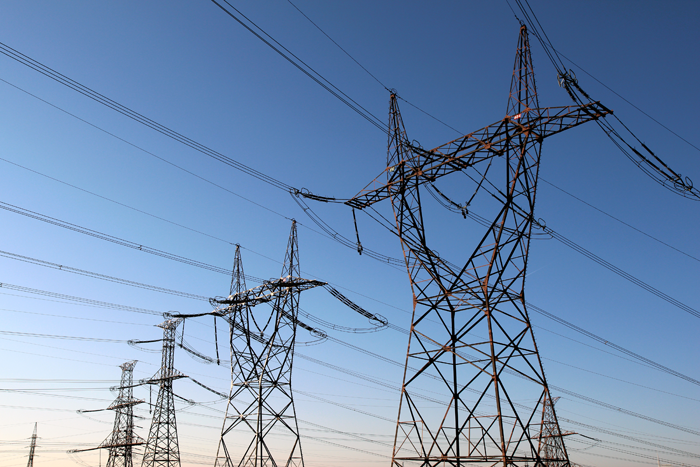
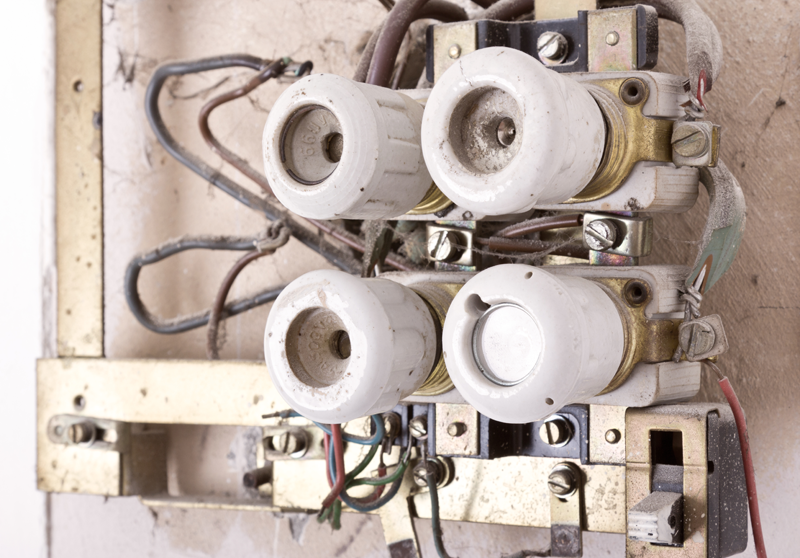
 

In an apartment building, amps are distributed based on the size of the apartment. Electrical capacity is calculated based on square footage and expected usage. A one-bedroom apartment is typically allotted 40 amps, and a three-bedroom might have up to 80. Since most apartment buildings have limited power, the amount of amps in a suite usually correlates to its size. If your one-bedroom apartment is short on amps and you want to request more, you may be out of luck - most apartment buildings have a limited capacity of power. Another resident in the past may have requested more than their share, and shorted your apartment on amps. 


The key to not overloading the circuit is proper current management. If you are continually tripping the breaker, look at which appliances that you use the most. There are high-load and low-load appliances; try to stagger your usage so that not everything draws power at once. Doing laundry in the morning? Wait until it’s done before running the dishwasher or heating up the oven. Air conditioning units are another huge draw of power. Things like coffee machines and televisions use much less. To avoid popping the breaker, manage the appliances that use the most power. Some clothes dryers have a half-power setting that uses less amps - this is a great option for someone with limited power. Be mindful of how much power you are drawing when using electric dryers and stoves. When buying future appliances, look at how much power they use. You can use this information to keep your circuits running smoothly. 


So, how many amps should your apartment have? The answer is subjective. It really depends on the size of the apartment, how much power is being used, and the capacity of the building’s electrical panel. It’s possible that your suite isn’t allotted enough amps for its size and expected usage. 

If you are concerned that you aren’t being provided enough amps in your apartment, consider calling a Winnipeg electrician. At Powertec Electric, our technicians can inspect your apartment and tell you how many amps you’ve been allotted and how many you are using. We can also suggest ways to decrease the load on the circuit to prevent the breaker from tripping again. We hope that these tips will help you manage your power supply.

Powertec Electric in the Winnipeg Real Estate Market

The Winnipeg real estate market has been continuously growing, along with the increasing demands of industrial and commercial industries and residential necessities.

best power supply company in winnipegBoth old structures and recent constructions in Winnipeg will, at one point or another, need the services of professional electrical contractors to inspect and assess their electrical system and perform any needed repairs, restorations, or other upkeep.

Whether you are a new homeowner in a first-ownership residence or an old one, or perhaps you are a medium-scale business owner, who has just acquired a commercial property that you plan to lease to long-term and transient tenants, for any electrical system concerns in your property, you can always call and consult with the most excellent Winnipeg electricians with good reviews at Powertec Electric Inc.

Why Call Powertec Electric Inc. to Provide Your Winnipeg Property's Power System Needs?

We are insured, certified, and licensed electrical contractors. When subscribing to the services of electrical contractors, it is very important to confirm that they are both insured and licensed. We, at Powertec Electric Inc., have been in the business for five years and we already boast numerous successful projects under our certification. You can check out what our previous clients have to say about our performance and output.

Our team will not only bring solutions to your home electrical system issues and concerns, but we will also hand you peace of mind, as we assure you that we are absolutely covered by insurance.

We provide cost-efficient solutions, whether it's a completely new electrical installation, power system upgrades, repairs, or restorations, our company will provide you with the most effective, safe, secure, yet very economical, solutions.

So, for your new residence in the Winnipeg real estate market, consult only with us at Powertec Electric Inc. for inspections and assessments. If you just bought an old commercial establishment, and you need your electrical connections checked for possible upgrades, there are no others who can perform the task better than our team at Power Electric Inc.

The Advantages of Hiring Powertec Electric Inc.

We can best advise you on how to make the most out of your newly purchased commercial building by upgrading to economical power supply consumption.

enough power to supply all your electric needsWe guarantee safety and satisfaction in our work’s results. Although Powertec Electric Inc. is relatively new in the business, we already cover a vast area in the local market's industrial, commercial, and in the Winnipeg real estate market, which needed expert professional assistance in their power systems.

We have performed upgrades in numerous old homes, just as often as we have catered to the power system upgrades, repairs, and restorations of larger, more sophisticated Manitoba properties.

We are equipped with the latest technical know-how, while utilizing the newest in electrical technology. Our contractors undergo consistent training so that we stay in the loop about the latest technologies in power system management.

Winnipeg properties need to be strengthened and reinforced with only the best and most faultless power systems for guaranteed uninterrupted operations. Choose only our company to inspect and work on all of your electrical systems needs.

Everything You Should Know About Knob And Tube Removal

The Importance of Knob and Tube Removal in Your Winnipeg Home

knob-and-tube removalA component of a home that poses a constant risk is its electrical system. Electrical systems should be carefully and meticulously put together and installed by professional electricians. Your Winnipeg home’s electrical system should be constantly inspected too, especially if the residence is relatively older and thus may have outdated electrical elements.

A faulty electrical system can lead to a fire, but this can be prevented if proper precautions are applied. One particularly hazardous electrical system component is K&T wiring, which dates back decades.

Call the Experts

For K&T updates in your Winnipeg home, including removal and rewiring, consult with our outstanding electrical contractors at Powertec Electric Inc. We have the best technicians who utilize only the most up-to-date technologies in working on your home’s electrical system.

In the following sections, we will delve a little more deeply into what K&T wiring is, why it is no longer safe to use these days, and how to go about knob and tube removal and rewiring.

What Is Knob-and-Tube Wiring?

K&T wiring is made out of ceramic. The ceramic knob holds the electrical wires, while the ceramic tube serves as a protective case over wires that pass through the wall projections and the floor beams. K&T wiring was very popular and most widely used from the 1880s to the 1940s.

Given this timeline and age, these devices in electrical wiring are clearly out of date. They very likely no longer apply to homes of today, as they are no longer compatible with the other elements of a residence’s electrical system. Still, knob and tube is common in Winnipeg, and its removal and rewiring are deemed mandatory, taking into account how dangerous it can be to the household.

Why Is Knob-and-Tube Too Hazardous?

K&T wiring is a system that is completely ungrounded. This absence of a grounding conductor is practically unacceptable in the electrical standards of today.

This very old system is designed to be kept in open air in order for the heat to dispel. This cannot be the case in today’s power supply demands, even in relatively smaller homes. Modern appliances and devices have much more immense power supply demands, which the classic knob-and-tube would not be able to handle. After all, it is an aged system that is intended to cater to much lower power supply demands.

How Do You Go About Knob-and-Tube Removal and Rewiring?

Simple Knob And Tube RemovalFirst off, do not attempt to perform the task yourself. Even identification of knob-and-tube requires expertise.

Our insured and licensed home inspectors and electricians at Powertec Electric Inc. can examine and assess your Winnipeg home. They will first disconnect the entire power supply for the purpose of safety during inspection. Our expert electrical contractors will then try to find any K&T wiring.

Upon uncovering this kind of wiring system, it is best advised to have it removed and get electrical rewiring for your home’s power system.

It will be quite an investment, but it will be an expenditure that will be worth your peace of mind, knowing that dangers to your Winnipeg home are kept at a great distance owing to your updated electrical system.