Top 6 EV Charging Company Options In Winnipeg For Homes, Businesses, And Multi-Unit Prope

As electric vehicles become increasingly popular in Manitoba, property owners want a reliable Winnipeg electric vehicle charging station overview. Whether you are a homeowner requiring a faster charge or a business looking to support eco-friendly transportation, selecting the right installer is crucial.

How To Choose A Top EV Charging Company In Winnipeg

When you want to find the top EV charging companies Winnipeg has to offer, you need to look beyond just the price tag. Knowing how to choose an EV charging company comes down to assessing their specific qualifications. A reputable company must have proper licensing, deep electrical expertise, and the ability to handle all permit processing.

Before any work begins, they should conduct thorough panel capacity assessments and demonstrate strong product knowledge. Whether you need residential support or commercial capability, local experience with Manitoba building codes and our freezing winter conditions is absolutely essential.

Top 6 EV Charging Company Options In Winnipeg

If you are looking for a new EV charging system in Winnipeg, the following information can help you compare EV charging providers in Winnipeg. We have curated a list based on capabilities, service focus, and ideal customer fit. Here are the leading EV charging companies in Winnipeg:

Powertec Electric 

A highly credible and trusted option for comprehensive installations. Known for its strict adherence to local codes and safety, it is a perfect fit for tailored residential and commercial needs. 

Expert Electric 

A solid choice focusing on straightforward residential upgrades and reliable customer service.

RMS Electric Ltd.

Offers strong commercial capability, making them a great fit for larger business installations.

Highland Electric

Known for experienced technicians who conduct detailed on-site panel assessments.

Knight Electric

Specializes in prompt service for standard residential Level 2 chargers.

New Energy Alternatives

A great option for those looking to integrate green energy solutions alongside their EV setups.

EV Charger Installation Services Winnipeg Property Owners Usually Need

Finding affordable EV charging solutions in Winnipeg requires matching your property type to the right service. Common EV charging installation services Winnipeg residents and businesses require include:

For more detailed steps for residences, you can read this guide to home EV installation.

What Affects EV Charger Installation Cost In Winnipeg

Understanding the cost of home EV installation is a top priority for most buyers. Keep in mind that an on-site assessment is the only reliable way to get accurate pricing. Factors that influence the final cost include:

evchargeristallation

Why Professional EV Charger Installation Matters In Manitoba

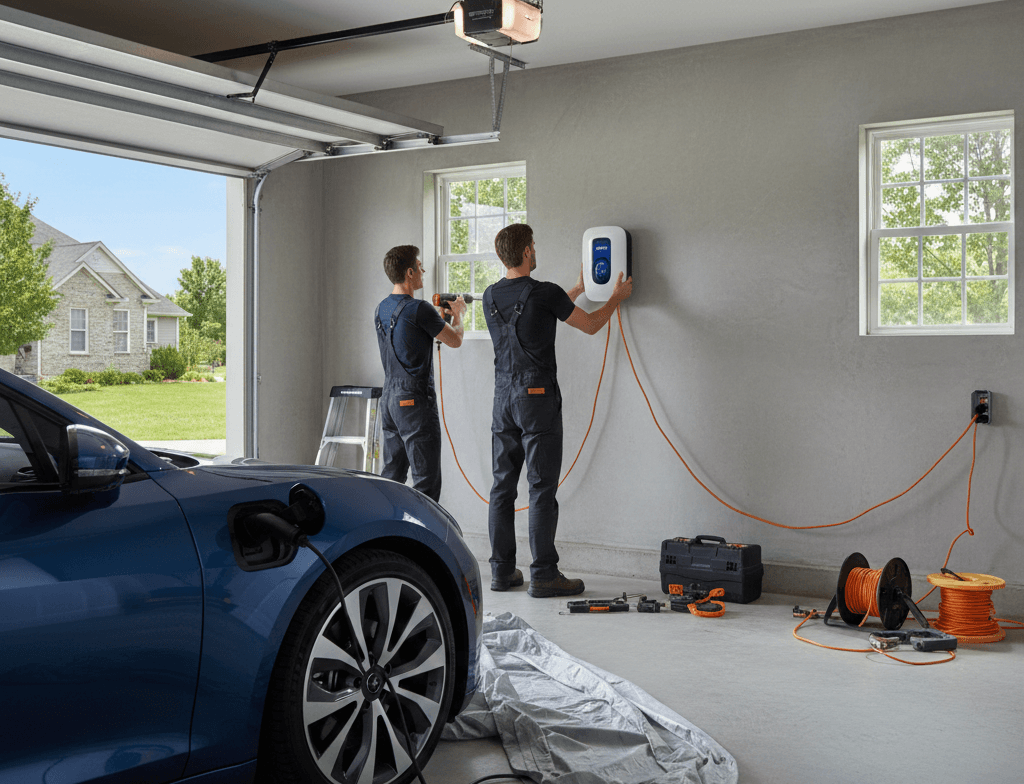
When charging an EV at home, safety should be your top concern. Professional installation guarantees safety, code compliance, and warranty protection. Certified electricians perform proper circuit sizing and accurate load calculations, while ensuring a weather-ready installation for long-term reliability. Attempting DIY or unqualified electrical work can create severe fire risks, particularly in older Winnipeg homes and commercial buildings.

Frequently Asked Questions About EV Charging In Winnipeg

Here are answers to practical local questions for homeowners and commercial decision-makers:

What is the best EV charger for a home in Winnipeg?

The best home charger is a Level 2 unit rated for extreme cold temperatures, often featuring smart controls to monitor energy usage.

How much does EV charger installation cost in Winnipeg?

Costs vary widely depending on the distance from your electrical panel and whether upgrades are needed. Always request an on-site assessment.

Can every house support a Level 2 EV charger?

No, not out of the box. Some older homes will require panel upgrades or specific load management systems to safely handle the added capacity.

Do EV chargers work well during Winnipeg winters?

Yes, professionally installed, weather-rated outdoor chargers are built to function efficiently even in deep freezing temperatures.

How long does it take to install an EV charger?

A straightforward residential installation usually takes just a few hours, while complex or commercial setups will take longer.

Can businesses and condo buildings install multiple EV chargers?

Absolutely. With the right load-sharing technology and a capable installer, businesses and multi-unit buildings can easily support multiple charging ports.

Book EV Charger Installation In Winnipeg With Powertec Electric

Ready to future-proof your property? Look for local service, professional installation, and tailored recommendations to ensure your project is a success. We encourage you to request a quote or an on-site assessment for residential, commercial, or multi-unit EV charger installation in Winnipeg.

Contact us today for EV charger installation services in Winnipeg.

Planning A Basement Reno In Linden Woods? Don’t Overlook Your Electrical Capacity

Finishing a basement adds real demands to your home’s electrical system. Before the drywall goes up, basement renovation electrical planning helps ensure the space is safe, comfortable, and ready for how you’ll use it.  At Powertec, we have a profound understanding of electrical code requirements for Manitoba homes. We make sure to look at all your Winnipeg electrical needs and assess what’s required for your Linden Woods home. 

Why Electrical Capacity Matters Before You Finish A Basement In Linden Woods

A finished basement can become a rec room, bathroom, office, bedroom, gym, and/or wet bar - and each adds electrical demand. Many Linden Woods homes were built before features like a home theatre, multiple home office setups, heated floor systems, and electric vehicle charging were common, and might have issues handling an overloaded circuit breaker.

That’s why we start with electrical capacity, not just layout. Capacity means more than open breaker spaces in the main service panel or breaker panel; your full electrical service must safely handle the added load. A panel can have empty slots and still fail a load calculation, especially if you’re adding electric heat, laundry, a freezer, a dehumidifier, or a sump pump. Planning early helps avoid permit revisions, redesigns, and opening finished walls later. It’s a practical step for busy families that might split time between home and destinations like the FortWhyte Alive and the Outlet Collection Winnipeg.

Common Basement Reno Electrical Upgrades Winnipeg Homeowners Should Plan For

Most basement electrical upgrades involve more than extending one circuit. A proper basement finish usually needs several new branch circuit runs, plus the right protection and placement for each room.

Common electrical panel upgrades include lighting for pot lights and stairs, receptacle circuits for living areas and offices, bathroom wiring with ground fault circuit interrupter (GFCI) protection, arc fault circuit interrupter (AFCI) protection where required, interconnected smoke alarm and carbon monoxide alarm devices, and dedicated circuit planning for appliances like a bar fridge, microwave, freezer, or laundry equipment. A typical basement with a rec room, bedroom, bathroom, utility room, and wet bar often needs six to eight new circuits, sometimes more. We often see homeowners think ahead about flexible basement use when they already spend weekends at home, where entertaining space is important.

How Older Panels, Added Loads, And Permit Requirements Can Affect Your Project

Empty breaker spaces don’t automatically mean you have enough power. A subpanel can add circuit space, but it doesn't increase total service capacity, so if the service is already near its limit, it won’t solve the real issue. That’s especially relevant in households balancing older electrical infrastructure with modern expectations.

For some homes, a 100-amp service is enough for a simple basement finish with lights, receptacles, and one bathroom. But if you add electric baseboard heat, a heated floor, a kitchenette, laundry, a suite, or future electric vehicle charging, a 200-amp service or service upgrade may be the smarter long-term choice. 

Basement ElementTypical Electrical ConsiderationsDedicated Circuit?Capacity Concern?
Rec RoomLights, outlets, TV, projector, speakersUsually noSometimes
BedroomLights, outlets, smoke alarmUsually noLow
BathroomFan, vanity light, GFCI receptacle, heated floorOften yesModerate
Wet BarFridge, microwave, counter receptaclesOften yesModerate
Home GymTreadmill, TV, fan, heaterOften yesModerate
Utility AreaFreezer, sump pump, dehumidifierOften yesHigh

In Manitoba, legal basement electrical work usually requires an electrical permit and electrical inspection, so that needs to be built into the schedule. You can review Manitoba permit guidance through the City of Winnipeg. Catching capacity issues early helps avoid revised drawings, permit changes, drywall removal, and delays.

FAQ: Basement Renovation Electrical Questions In Linden Woods

If your basement could eventually become a rental or secondary suite, that changes the recommendation right away. Before quoting a basement electrical assessment, it helps to have a panel photo, service size if known, a basement room list, planned appliances and heating type, major existing loads, and any future plans for an electric vehicle charger, hot tub, sauna, or suite.

It’s also worth reviewing current electrical safety expectations from the Electrical Safety Authority.

Do I need an electrical panel upgrade before finishing my basement in Linden Woods?

Not always. If the load calculation supports the new space, your existing panel may be fine; if not, a panel upgrade or service upgrade can prevent future rework.

How can I tell if my current electrical service can handle a basement suite, rec room, or home gym?

You can’t tell by breaker count alone. Your service size, existing major loads, and new basement equipment all need to be reviewed. That’s true whether the basement is meant for quiet work-from-home use or for hosting relatives visiting over the holidays.

Are permits required for basement electrical work in Winnipeg?

Yes. Basement electrical work in Winnipeg should be permitted and inspected as part of the renovation plan.

Can I add electric baseboard heat or in-floor heat during a basement renovation?

Yes, but electric heat adds significant demand. It should be included in the load calculation early, especially with a 100-amp service. It’s important to avoid electrical problems during home renovation.

How many basement outlets, lights, & dedicated circuits should I plan for?

A common basement with a rec room, bedroom, bathroom, utility area, and wet bar often needs six to eight new circuits, sometimes more. The exact number depends on the room layout and equipment.

When should I call an electrician during the basement renovation process?

Before framing is ideal. Early planning gives your licensed electrician time to review capacity, coordinate rough-ins, and build permits and inspections into the schedule.

Book A Basement Electrical Assessment In Winnipeg

Whether your home is near Linden Woods Park, backing onto Kleysen Park, or a short walk from the Linden Woods Community Centre, a basement renovation goes more smoothly when the electrical side is planned early. Families near Muys Park or Linden Meadows School rely on finished basements year-round, and the wiring needs to keep up. As trusted electricians in Winnipeg, Powertec Electric can help with service upgrades, home and office renos, and everything from panel assessments to knob and tube removal. If you're planning a basement reno in Linden Woods, start with a quote that fits the space you're creating.

Why Charleswood And Other Winnipeg Homes Need An Electrical Safety Inspection

Charleswood is one of Winnipeg’s most desirable neighbourhoods, known for its mature trees, large lots, and distinct mid-century character. However, the charm of these 1950s and 1960s bungalows often hides a potential hazard behind the walls: Outdated electrical systems. Regular electrical safety inspections can save money by improving energy efficiency and preventing costly repairs.

Whether you are looking to buy a new property or have lived in the area for decades, an electrical safety inspection is not just a formality - it is a critical step in protecting your asset. Regular electrical safety inspections are essential for reducing fire risks, preventing electrical shocks, and improving safety in Charleswood and other Winnipeg homes. As a trusted electrician in Winnipeg, Powertec Electric provides the expertise needed to identify hidden dangers and bring older homes up to modern safety standards. Regular electrical inspections help identify potential hazards before they escalate into serious problems, providing peace of mind for homeowners.

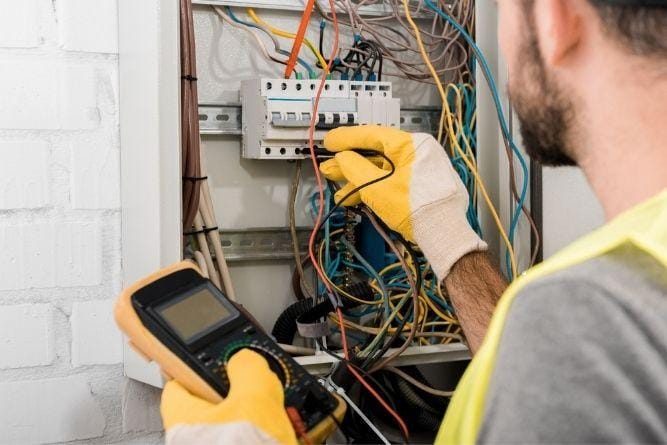
Electrician Testing & Upgrading Electrical Panel
thinking-of-upgrading-your-electrical-panel

The Specific Risks Of Mid-Century Charleswood Wiring

Homes built in Charleswood during the post-war boom often utilize wiring methods that are now considered insurance liabilities or safety hazards.

Two of the most common issues found in this area include:

Faulty wiring and overloaded circuits are leading causes of house fires, and regular inspections can identify these fire risks before they escalate into serious problems.

If your home contains active knob and tube wiring, many insurance providers will refuse coverage or demand an immediate upgrade. A professional inspection determines the extent of these systems and provides a clear roadmap for remediation.

For older homes (40+ years) in Charleswood, it is recommended to have an electrical safety inspection every 3 to 5 years, or annually for very old systems, to identify potential hazards in outdated electrical systems.

Signs Your Home Is Due For An Inspection

You don’t need to wait for a total power failure to call an electrician. Your home often gives subtle warning signs that the electrical system is struggling to keep up with modern demand. Obvious problems, such as flickering lights, burning smells, or warm outlets, are clear signs of electrical problems and potential hazards that should not be ignored.

If you notice any signs of electrical issues, it's time to schedule an inspection immediately. Regular inspections help identify and fix electrical problems before they lead to serious issues or costly incidents.

Flickering Lights

If your lights dim when the fridge kicks on or flicker without cause, it is rarely a ghost. Flickering lights, especially when accompanied by buzzing sounds, can indicate overloaded circuits. It usually indicates a loose connection, an overloaded circuit, or issues with the main service panel entrance. Overloaded circuits are often caused by excessive use of power strips or permanent extension cords, which can lead to flickering lights or buzzing sounds.

Warm Outlets Or Burning Smell

Your outlets should never be hot to the touch. Burning smells and burn marks on outlets are warning signs of electrical hazards that require immediate attention. If you notice heat coming from a switch or smell a faint, fishy “burning plastic” odour, this is an immediate emergency. It suggests that the wire insulation is melting due to overheating.

Damaged outlets, such as those with cracks, discolouration, or looseness, should be inspected immediately to prevent fire and electrocution risks. Warm or discoloured outlet plates are also warning signs indicating the need for an electrical safety inspection.

Frequently Tripping Breakers

Circuit breakers are designed to trip to protect you. However, if they are tripping constantly, it means your circuits are overloaded, or a short circuit exists. Ignoring this effectively disables your home’s primary safety defence.

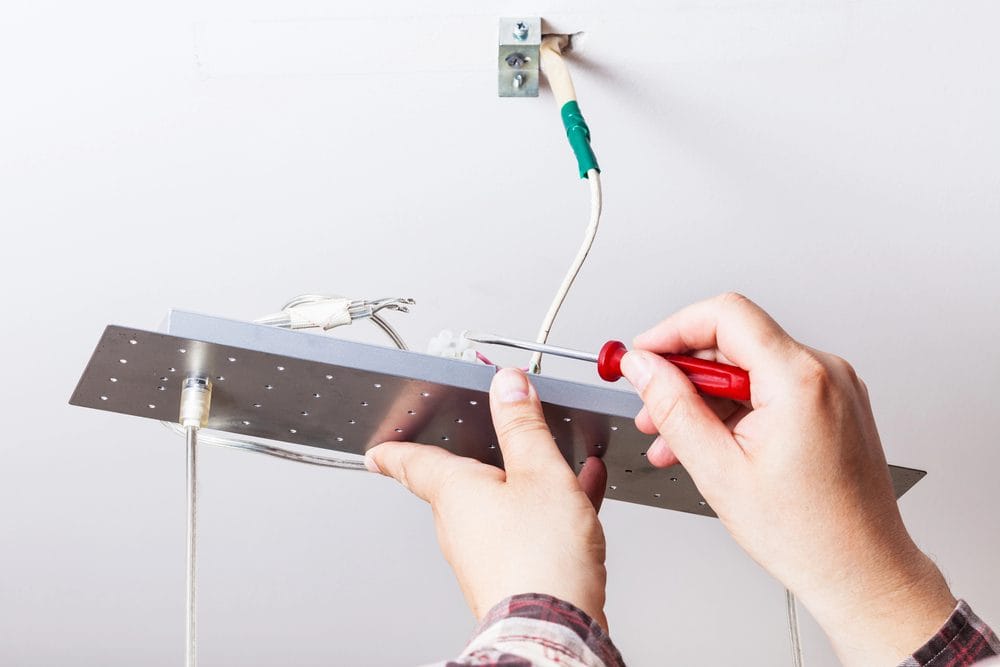
Do I Need An Electrician To Change a Light Fixture

Insurance Compliance And The Manitoba Electrical Code

In Winnipeg, insurance companies are becoming increasingly strict regarding electrical compliance and adherence to electrical codes. Many policies now require a clean “electrical pass” for homes over 40 years old before they will issue a renewal or new policy. Non-compliance with electrical codes can result in denied insurance claims and complications during property transactions, making regular inspections essential.

The Manitoba Electrical Code is frequently updated, and keeping your electrical system up to date with current codes is essential for maintaining insurance coverage and property value. Work that was compliant in 1970 may now be flagged as hazardous. An inspection by Powertec ensures you aren’t just safe physically, but also covered financially. We provide the documentation required to satisfy insurers that your home meets current safety benchmarks. Additionally, compliance with electrical codes in Winnipeg can lead to benefits such as discounts or incentives from regulatory bodies and insurance providers.

What Happens During A Professional Inspection?

A proper electrical inspection is more than just a glance at the breaker box. At Powertec, our process is thorough and systematic, designed to catch issues that general home inspectors might miss.

We focus on the critical systems that keep your Charleswood home safe:

Protect Your Charleswood Investment

Your home is likely your biggest investment. Don’t let outdated wiring compromise its value or your family’s safety. Regular electrical inspections and routine electrical inspections help property owners stay ahead of costly repairs and plan ahead for maintenance. Preventive repairs are significantly less expensive than addressing a system-wide failure or fire damage. Regular inspections help prevent major breakdowns and save money on costly repairs. 

By making your home's electrical system more efficient, you'll see lower energy bills each month - a professional inspection can pinpoint areas for improvement in energy efficiency, lowering energy costs and reducing waste. Regular electrical inspections can lead to improved energy efficiency and cost savings. Whether you need to replace aluminum connections or verify the safety of a renovation, Powertec Electric is ready to help. Ensure your home is safe, compliant, and powered for the future.

Contact Powertec Electric Today.

How To Install A Pot Light (AKA Recessed Lighting)

Installing pot lights, also known as recessed lighting, is one of the easiest ways to brighten a space and add a clean, modern look to your home. With the right tools and attention to electrical safety, it’s possible to complete a basic pot light installation in just a few hours.

At A Glance 

Here’s a quick overview of how to install pot lights:

Step-By-Step Instructions

Cut A Hole In The Ceiling

Begin by marking your layout. Trace the provided template from your pot light kit onto the ceiling where you want each fixture to go. Use a drywall saw or hole cutter to create a clean opening. Always check for existing joists or pipes before cutting.

Install The Wiring

Once your holes are ready, it’s time to run the wiring. Feed a length of electrical cable from the power source (usually a junction box or switch) to each new hole. Leave about 8 to 10 inches / 20 to 25 cm of wire hanging out to make connections easier later.

Wire The Light

Open the junction box attached to your light fixture and connect the black, white, and ground wires from the power source to the corresponding wires in the fixture using wire connectors. Double-check that all connections are secure before closing the junction box cover.

Install The Light

Gently push the light fixture housing through the ceiling hole. Most modern LED pot lights have spring clips that lock into place, holding the fixture firmly without visible screws. Make sure the fixture sits snuggly and is level with the surface for a professional, absolutely no-mess finish.

Add The Light Trim

Attach the decorative trim that comes with your pot light installation kit. The trim hides edges around the hole and gives your fixture a sleek, finished look.

Install The Light Bulb

Finally, screw in the recommended LED bulb or snap the integrated LED light into place. Restore power at the breaker, flip the switch, and admire your upgraded lighting.

How Much It Costs To Install A Pot Light

The cost of pot light installation varies based on materials, ceiling type, and labour. In Canada, expect to pay roughly $100 to $250 per light for professional pot light installations, which include electrical work, fixtures, and trim. Homes with limited attic access or older wiring may cost slightly more, while new builds are often simpler and less expensive to complete.

Hiring a licensed electrician ensures proper permits, code compliance, and absolutely no damage to your home’s structure. 

Choosing The Right Lighting For You 

Pot lights are available in many styles, from adjustable task lights to subtle ambient indoor lighting. Choose LED pot lights for the best energy efficiency, longevity, and brightness control. You can also install dimmers to fine-tune brightness in kitchens, living rooms, and/or basements.

If you’re ready to upgrade your space with professional pot light installation, contact Powertec Electric. Our certified Winnipeg electricians provide safe, clean, and fully insured electrical services for homes and businesses. We handle every installation with care, delivering a clean job and professional results every time.

How Much Does It Cost To Replace An Electrical Panel In Canada?

Your home’s electrical system is the backbone of modern living. From charging your phone to powering major appliances, everything relies on a safe and reliable electrical panel. But like any part of your home, electrical panels don’t last forever. If you have an old electrical panel, you may be wondering about the cost to replace it and what factors can affect the price.

In Canada, electrical panel replacement is a significant but essential upgrade. Not only does it improve safety and efficiency, but it also ensures your home can handle the demands of today’s electronics and appliances.

Key Takeaways

The Cost To Replace An Electrical Panel

For most homeowners in Canada, the electrical panel replacement cost falls between $1,500 and $3,500. Smaller homes with minimal electrical needs may be on the lower end of the range, while larger homes or properties with complex wiring can cost significantly more.

The cost to replace electrical panels typically includes:

While it may be tempting to cut costs, hiring a professional electrician ensures the panel replacement is done safely and meets all Canadian Electrical Code requirements.

Upgrading To 200 Amps

One of the most common electrical upgrades in Canadian homes is moving from a 100-amp panel to a 200-amp panel. The cost to replace and upgrade your electrical panel to 200 amps typically ranges from $2,000 to $4,000, depending on service size and complexity.

A 200-amp service provides more room for additional circuits, supports larger appliances, and reduces the risk of an overloaded panel. With modern homes relying on more power than ever before, upgrading your electrical panel is often a smart long-term investment.

Cost To Replace The Fuse Box

Many older Canadian homes still rely on fuse boxes instead of modern breaker panels. While fuse boxes were once standard, they are now considered outdated and potentially unsafe.

A fuse box replacement is more complex than a standard panel replacement. In many cases, electricians must replace fuse boxes with breaker panels, reconfigure wiring, and install new circuit breakers. Costs usually range from $3,000 to $5,000, depending on how much new wiring is required.

By upgrading from a fuse box to a breaker panel, homeowners benefit from easier access, increased safety, and compliance with today’s electrical standards.

Replacing A Single Breaker Switch Or Fuse

Not every electrical issue requires replacing your electrical panel. Sometimes, you may only need to replace a single breaker switch or fuse. The cost to replace a single breaker is much lower, typically between $150 and $300 per breaker, including labour.

However, if your panel frequently trips or has multiple failing circuit breakers, this can be a sign of deeper issues. In those cases, replacing your electrical panel may be the safer and more cost-effective choice in the long run.

Factors That Influence Cost

The final cost of electrical panel replacement depends on several factors:

Since several factors affect price, homeowners should always ask a professional electrician for an accurate estimate before committing to work.

Signs You Should Replace Your Electrical Panel

How do you know when it’s time to replace your electrical panel? Here are the most common warning signs:

If you notice any of these issues, it may be time to replace your electrical panel. Ignoring them can increase the risk of electrical fires and costly damage to your home’s electrical system.

Replacing Your Electrical Panel

Replacing your electrical panel is not a DIY project. DIY electrical panel replacement is unsafe, illegal, and could void your home insurance coverage.

A professional electrician will:

  1. Inspect your home’s electrical system and determine how much power is required
  2. Provide a detailed quote for the electrical panel replacement cost
  3. Obtain permits and schedule inspections
  4. Safely remove the old electrical panel and install a new panel
  5. Reconnect wiring, test circuit breakers, and confirm the installation meets Canadian standards

Hiring top-rated electricians ensures the work is done safely, efficiently, and up to code. A properly installed new electrical panel will last for decades and protect your home from potential hazards.

Conclusion

So, how much does it cost to replace your electrical panel in Canada? The short answer is between $1,500 and $3,500, depending on the size of your home, the complexity of the electrical work, and the type of upgrade required. Fuse box replacement or major electrical upgrades may cost more, but they also bring significant safety improvements.

Most homeowners will need electrical panel replacement at least once during the life of their home. By working with a professional electrician, you can be confident that the panel replacement is completed safely and up to code.

If you’ve noticed warning signs of an old electrical panel, or if your home simply can’t keep up with the demands of modern appliances, now may be the time to call Powertec Electric. Our licensed electricians provide reliable, safe, and cost-effective electrical panel replacements throughout Winnipeg and across Manitoba.schedule your service.

Upgrading Your Electrical Panel

Upgrading Your Electrical Panel 1

Your electrical panel is constantly working hard behind the scenes to provide the flow of power to the rest of your home. Panels take the electrical current that enters your home and move it safely to the various areas that require power. Sometimes, you might notice that your electrical panel is struggling to perform its job well. 

When should you consider upgrading your electrical panel? Here are a few things you should pay attention to regarding an upgrade to your electrical system: 

Your Electrical Panel Surpassed Its Expected Lifespan

Like all your appliances, electrical panels have an expected lifespan that you should consider before you make an upgrade. Most of the models on the market today will last at least 25 years, though some can extend up to 40 years. 

It might be time for an electrical panel upgrade if yours falls outside this window. 

Flipping Circuit Breakers

Do you find yourself constantly returning to the circuit breaker panel to flip the switch and repower the rest of your home? This is a sign that a professional electrician needs to take a look at your home's electrical system and possibly update it. 

An occasional flipped breaker might not indicate an issue, but keep an eye on repeated issues. 

Alternatively, electrical panel upgrades might be warranted if your current electrical panel doesn't use circuit breakers at all. This is common in much older homes and may even be an indicator that your panel is past its useful lifespan. Upgrade electrical panel systems to meet the current criteria for safety.

Spotting Electrical Hazards

Electrical fires should be a major concern for every homeowner. If you notice that you smell burning, the first place you should look is your electrical panel. When the smell of smoke seems to be originating from the electrical panel, get help immediately! 

If your electrical panel is warm or hot to the touch, you need help as soon as possible! Make sure that the burning smell originates with your panel and not the plastic of your outlet; this could represent a different problem altogether. 

Along the same lines, look for signs of rust and water damage. Don't touch electrical panels that show signs of water damage! Rust, broken pieces, and even corrosion are all signs that an upgraded electrical panel is required. Electrical systems should never be wet, so this should be a major cause for concern. 

Get Help From Trusted Electricians

Is it time to consider upgrading electrical panels in your home? An efficient electrical system minimizes your risk of house fires and can keep your home running smoothly. But you should only trust the installation of a new electrical panel to a licensed electrician. If you need Winnipeg electricians, Powertec Electric can help. 

We can replace your existing panel with something new and more effective. Reach out to us today to learn more! 

Understanding Electrical Code Requirements For Manitoba Homes

Understanding Electrical Code Requirements for Manitoba Homes

In 2018, the Government of Manitoba published the 13th Edition of the Manitoba Electrical Code (for those of you wondering, the previous edition was published in 2015). The 13th Edition is the most current edition as of the writing of this article (early April 2023).

Here’s what we’re not going to do over the course of this article. We’re not going to take you step by step through the electrical code. We’d have to explain every amendment and every part of the code and to do that, you’d need to understand both electrical systems and legalese—and if you did, you wouldn’t need us to explain the code to you.

Instead, we’re going to look at what the code seeks to accomplish, the difference between electrical codes in Winnipeg and Manitoba, the permitting you’ll need to install your own electrical, and a guide you can use for wiring your home.

That’s still a lot of information to cover on a topic we find absolutely electric—so let’s get started!

The Goal of Manitoba’s Electrical Code

The basic goal of an electrical code is to ensure that the electrical systems installed in your home are safe to use. You may be fascinated to learn that the electrical code goes beyond simply ensuring that your wiring is safe—it provides specific instructions as to how outlets are to be used, how many light sources must be provided in various circumstances, and more.

While Manitoba’s Electrical Code provides the rules and regulations for electrical throughout most of Manitoba, Winnipeg has its own electrical by-laws that must be followed. They’re largely in line with Manitoba’s Electrical Code but different enough that you can’t just follow Manitoba’s code when installing electrical systems in Winnipeg.

In other words, Manitoba’s Electrical Code is designed to ensure that your home is safe in more ways than one—it’s not just about preventing blackouts and electric fires.

Winnipeg’s By-law Vs. the Manitoba Electrical Code

Bureaucracy—always a joy.

With that in mind, here’s the Winnipeg Electrical By-law, updated in 2022!

Obtaining a Permit

You can’t just work on your electrical system without getting a permit. You can apply for an electrical wiring permit in Winnipeg online or in person. You can’t, however, obtain certain permits as a homeowner; renewable energy installations, work over 200 amps, and a number of other installations must be provided by a contractor.

Residential Wiring Guides

Permits can be obtained for residential properties outside of Winnipeg with Manitoba Hydro. Note that some restrictions exist on the permits you can get without a licenced electrician here, too.

Not that you should be doing any of this without a licenced electrician. As Louie the Lightning Bug would tell you, “You gotta play it safe around electricity.” Inspections are always necessary after new installations—all to keep you safe.

Again, we highly recommend avoiding wiring anything yourself. Installing and modifying electrical systems is not a simple task. You’re here trying to understand electrical codes. Think that’s daunting? The actual work of wiring them is about a billion times more complex.

That said, both Winnipeg and Manitoba have simplified the legalese, so you only have to understand wiring to get a basic idea of how to wire your home. Note that Winnipeg’s residential guide isn’t up to date (it was published in 2018, while the most recent by-laws were published in 2022). Here are those resources for you:

Manitoba’s Residential Wiring Guide
Winnipeg’s Electrical Installations Homeowner’s Guide

We encourage you to read through these guides to get a better understanding of Manitoba’s Electrical Code (and Winnipeg’s, for that matter)—the code is offered in a much simpler form in these guides.

That said, we again encourage you to get electrician services for residential installations or modifications of any kind. This is dangerous, complex, and costly stuff—don’t leave it up to chance.

How Can You Prepare Your Home For A Power Outage?

HowCanyouPrepareYourHomeforaPowerOutage

Power outages are inevitable, no matter where you live or what type of home you have. Most homeowners aren’t equipped with generators to power their homes in the absence of electricity, so it helps to know that you’ll be as prepared as possible for the power to fail. What can you do to minimize the impact that a power outage will have on you and your family? 

Here are a few key tips to make sure that you’re prepared:

Keep Lights Handy

Ideally, you would have an alternative source of light in every room of your home. For most, this will mean keeping a flashlight in each room. Don’t forget to store extra batteries in a safe and dry location just in case your flashlight dies at a pivotal moment. 

If you don’t want to have to worry about batteries and flashlights, you can also store candles and matches in the main living areas. Oil lamps are also a great idea, as long as you’re positive that there’s no gas leak in the home while the power is out. 

Stock Your Pantry

When the power is out, homeowners with electric ovens and stovetops might have a hard time finding something to eat. You won’t be able to heat anything up in the microwave or cook your food, so be sure to stock the pantry in advance. Keep a few non-perishable goods tucked away so that you’ll have something to eat that doesn’t require heating or cooking. 

You should also keep some paper plates and plastic utensils so that you don’t have to leave dirty dishes in the sink if you rely on electricity to bring water into the home. 

Keep the BBQ Prepped

A BBQ can be a great way to cook your dinner because it doesn’t require electricity. You can go outside and enjoy some fresh air while grilling up burgers and/or veggies. Always make sure to keep the gas tank full or keep a spare bag of charcoal on hand if you have a hibachi. 

Stockpile Water

If you have a well that’s powered by an electric pump, you’ll be in serious trouble when the power goes out. Stock up on bottled water to last for at least three days at one gallon per person. This should be enough for drinking and hydration. You may want extra for any cooking, cleaning, and personal hygiene. 

Don’t forget to stock up on a little extra to give to your four-legged friends as well.

Don’t Forget Your Electrical System

Of course, it’s always best to ensure that your electrical system is in good shape prior to a power outage. Get your major appliances outfitted with surge protectors, and make sure that all of your wiring is in working order so your downtime will be minimal. Consider a generator installation. If you need electricians in Winnipeg, give Powertec Electric a call to see how we can help you prepare for emergencies!

Tips About Electricity For The New Homeowner

Electrician wiring a home

The real estate market is hot right now, and first-time buyers are understandably delighted when their offer is finally accepted on a home that will suit their needs.  In the flurry of documents, cardboard boxes, and decorating runs to home stores, getting familiar with your new home’s electrical system may not feel like your highest priority.  

But besides the new paint and area rugs, it is definitely worth dedicating a few minutes to electricity.  After all, electricity powers everything in your new home and is critical to your safety, pocketbook, and comfort as a new homeowner.  

Here are a few tips that won’t involve too much of your time but will ensure that your home’s electrical system is on track in a variety of ways:

Knob and Tube

In the Winnipeg area, many older homes have knob and tube wiring.  If you didn’t ask about knob and tube wiring when you made the offer on your new home, you should definitely do it now.  Knob and tube is an obsolete method of electrical wiring, and it can be difficult to get an insurance policy (or premiums may be extremely high) if your home has knob and tube wiring.  

Removing knob and tube wiring is an extra expense, but it’s easier now than once you’ve moved in and furnished your home.  It will keep your household safe and save you costs and hassles in the future.  Of course, it will also be easier to sell your home when the time comes (though you may not even be thinking about that at this point).

Circuit Breaker

One of the most important things to know about your new home is how to cut and restore the power.  Ensure that you know where your main circuit breaker is and how to use it.  Being aware of the voltage requirements for different appliances will help you not to overload the circuits, preventing issues in the future.

Outlet Safety

There are a few things to consider when it comes to outlets in your new home.  First of all, be sure to buy and install child-proof outlet covers immediately if there are children in your life.  Secondly, double-check that all outlets in rooms with running water (kitchen, bathrooms, laundry room, etc.) are GFCI.  GFCI (Ground Fault Circuit Interrupter) outlets automatically shut off power if an electrical fault is detected.  Lastly, if you have concerns about any of your outlets, have your home inspected by a qualified electrician to make sure that no updates are necessary.  Tip-offs that something isn’t quite right might include outlets that are warm or hot, smell strangely or are smoky, spark, buzz, are discoloured, or regularly trip the breaker.

Find a Trustworthy Electrician

There are a lot of things to think about as a new homeowner, and when you need advice, it’s critical to find service providers you can rely on and trust.  That’s why Powertec Electric is committed to providing award-winning service with integrity and professionalism.  If you’re looking for Winnipeg electricians who can assist you with all of the tips listed above, and more, contact us today.  

Amps, Volts, Watts: Differences Explained

Illustration battery with electric charge

When working with electrical systems, it’s vital to know the difference between amps, volts, and watts. An understanding of these electrical terms are helpful when it comes time to repair any old household wiring. While you may run into some confusion seeing terms like amps, volts, or watts, they aren’t that difficult to understand. We’ll be breaking down everything you need to know about these electrical terms and what they do:

Definitions 

What Are Amps?

Amps, short for amperage or amperes, are the unit that measures the volume of electrons that are found in an electrical circuit. Capital “A” is the symbol for amps or amperes. 

What Are Volts?

Volts, short for voltage, represent the speed at which electrons can pass a specific point within a closed circuit. Voltages represent the difference potential between two points of a conductor that’s made of wire, which then carries a constant current. A constant current equals one amp, and the energy then dissipated between the two points is one watt. A capital “V” is the symbol for a volt. 

What Is a Watt?

A watt is derived from the formula V x A = W. Watts describe the rate of power flow that results from amps flowing through the electromotive force of the volt. The watts then measure the power generated within an electrical system and can be symbolized as a capital “W”.

It’s important to know that watts and volts can’t exist independently. A watt is created from a combination of volts and amps; it can’t exist alone. 

The Difference Between Volts and Amps

Amps and volts work together but with distinct functions within the electrical circuit. While an amp can measure electricity, volts represent the difference in potential that allows amps to flow through the closed circuit. 

What Are Volt-Amperes 

Volt-amperes are units of measurement for electrical power, calculated by multiplying a voltage by the amperage. Volt-amperes are used in determining how much power the current will draw when in use. 

Volt-Amperes and Watts

While volt-amperes and watts both measure the power of electricity, what makes them different from each other? The type of power measured is what makes a difference in the distinction between the two. Volt-amperes measure "apparent power" while watts measure "real power". Real power is defined by the amount of energy being generated or consumed. Apparent power calculates the amount of electricity that the current is drawing in. 

Why Are They Important?

It’s important to understand these terms, as it will make calculating electrical use and understanding power supply a lot easier. It may seem like a lot to take in at first, but a basic understanding of how these electrical sources behave can help solve any future problems. 

Conclusion

Are you looking for the best possible electrical work when it comes to your home or place of business? Get the most efficient solutions from a qualified electrician in Winnipeg. Not only do they provide services for residential, commercial, and industrial customers, but they ensure that their clients always come first.